They said/they said
In the legal world, this is the game

In case you did not know, I sometimes fill my days with legal videography work. I record questionings and depositions, medical appointments and psychiatric evaluations.

This week, I wrapped recording six days of questioning for a significant lawsuit (aren’t they all?). The case is a wrongful dismissal suit. The plaintiff sued their (vague pronoun use intentional for anonymity) former employer for pushing them out the door without cause and the former employer countersued, alleging they misused the corporate spending account. It’s the age old problem of they said, they said.
When this case first came across my desk, the style of cause (a document outlining the basic details of the lawsuit), made it appear like the plaintiff had quit their job over an unpaid bonus. According to the documents, the day after they found out they were not getting a bonus, they opted not to return to the office. It read to me like a child throwing a temper tantrum.
Once the questioning began, though, my assumptions were quashed. There was clear evidence the employee was pushed out, left out of business decisions, and clients moved surreptitiously from their docket. Their contribution to the company over the course of two decades was abundantly clear. Expenses were approved, and there is adequate evidence to support that. It’s not important to discern why they were suddenly treated like excess baggage, just that they were.
The plaintiff is kind, clear-headed and reasonable with their testimony. A couple of times over the course of the questioning, they teared up, the pain of the betrayal overwhelming them.
It brought to mind a case I worked on almost ten years ago where a semi truck pulling an oversize load hit a bridge. The truck was forced into the wrong lane by a passing truck, hitting the overhead trusses, and causing a portion of the bridge to collapse behind it. Two passenger vehicles plunged into the water (everyone was rescued and uninjured). Midway through the five days of questioning of the driver, the state’s attorney turned to me during a break and asked me a simple question.
“Do you think he’s to blame for this?”
I knew better than to land on one side or the other.
“I don’t know,” I answered, “but if you put him on the stand, you’ll lose.”
The witness was charismatic, charming, with a killer smile. He could easily persuade a jury to believe he was blameless. I was having a hard time believing he was to blame. I found out five years later the case was brought before the Supreme Court without a jury present. The witness, along with the pilot car driver and the driver of the other truck were judged as equally sharing the blame.
Similarly, the witness in this wrongful dismissal suit might sway a jury to rule in their favour. In the battle of man vs corporation, it’s easier to side with Generic Worker. It’s a clash of they said/they said, and the judgement may not depend on who presents the more convincing testimony, but who can demonstrate the greater slight.
What I’m reading
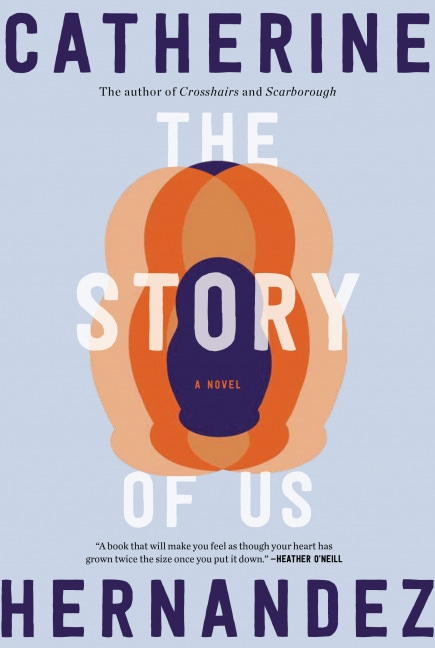
I have not yet read Catherine Hernandez’s award-winning debut novel, Scarborough, but I did watch the award-winning film. The movie ripped me in half and left me feeling distraught, but it was beautifully done. One day, I might be brave enough to read the book. I’m only a few pages in to her latest, The Story of Us, but I am already feeling like I may want to have her as a guest on the podcast.