
Messing up a character
Internal conflict is fun
There is less than 2 months until the planned release of my debut adult novel!
Katya Noskov’s Last Shot tells the story of a 63-year-old retired assassin who quickly discovers her skills are not conducive to living a normal life. Kat has never has a long-term relationship, never got to know her neighbours, and is completely lost about how to navigate friendship. When she finds herself swept up in a friendship with three other women of a similar age, Kat has to learn to trust people, let go of control, and push aside a lifetime of keeping secrets.
It’s a cozy read about finding friendship later in life, perfect for anyone who enjoyed Deanna Raybourn’s Killers of a Certain Age and Clare Pooley’s How to Age Disgracefully.
I am currently building an ARC (Advance Reader Copy) team, so if you’d like to be part of that and read the novel before it’s released in exchange for a review, please fill out the form at this link.
What is it that makes a book so juicy, so compelling, and so un-put-down-able?
Aside from great writing and an intriguing premise, it’s the character(s) that keep us coming back for more. And a character with internal conflict is irresistible.
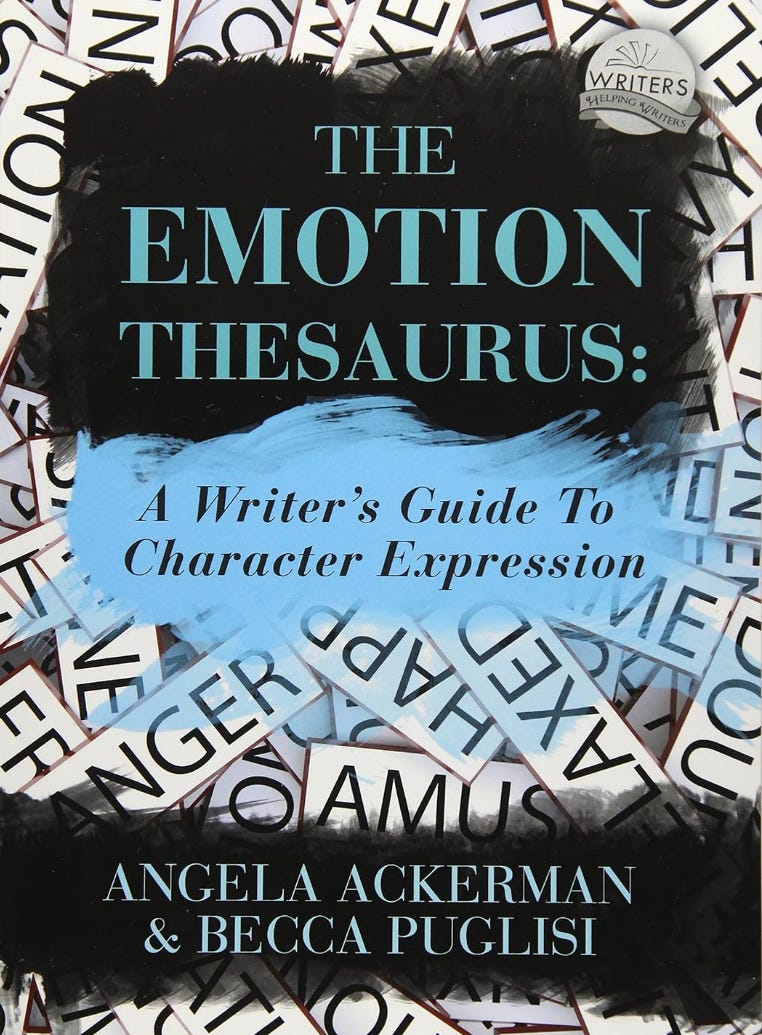
If you’re a writer and you haven’t heard of Angela Ackerman and Becca Puglisi, your craft is about to get a whole lot better. These two remarkable women are the masterminds behind The Emotion Thesaurus and 9 (NINE!) other books dedicated to strengthening your characters.
I was wowed by a workshop Angela gave last year at When Words Collide, so when I saw she was holding two more at this year’s conference (which I wrote about a couple of weeks ago), I made sure to attend her session about internal conflict. The room was full to capacity, with people standing along the walls and sitting on the floor.
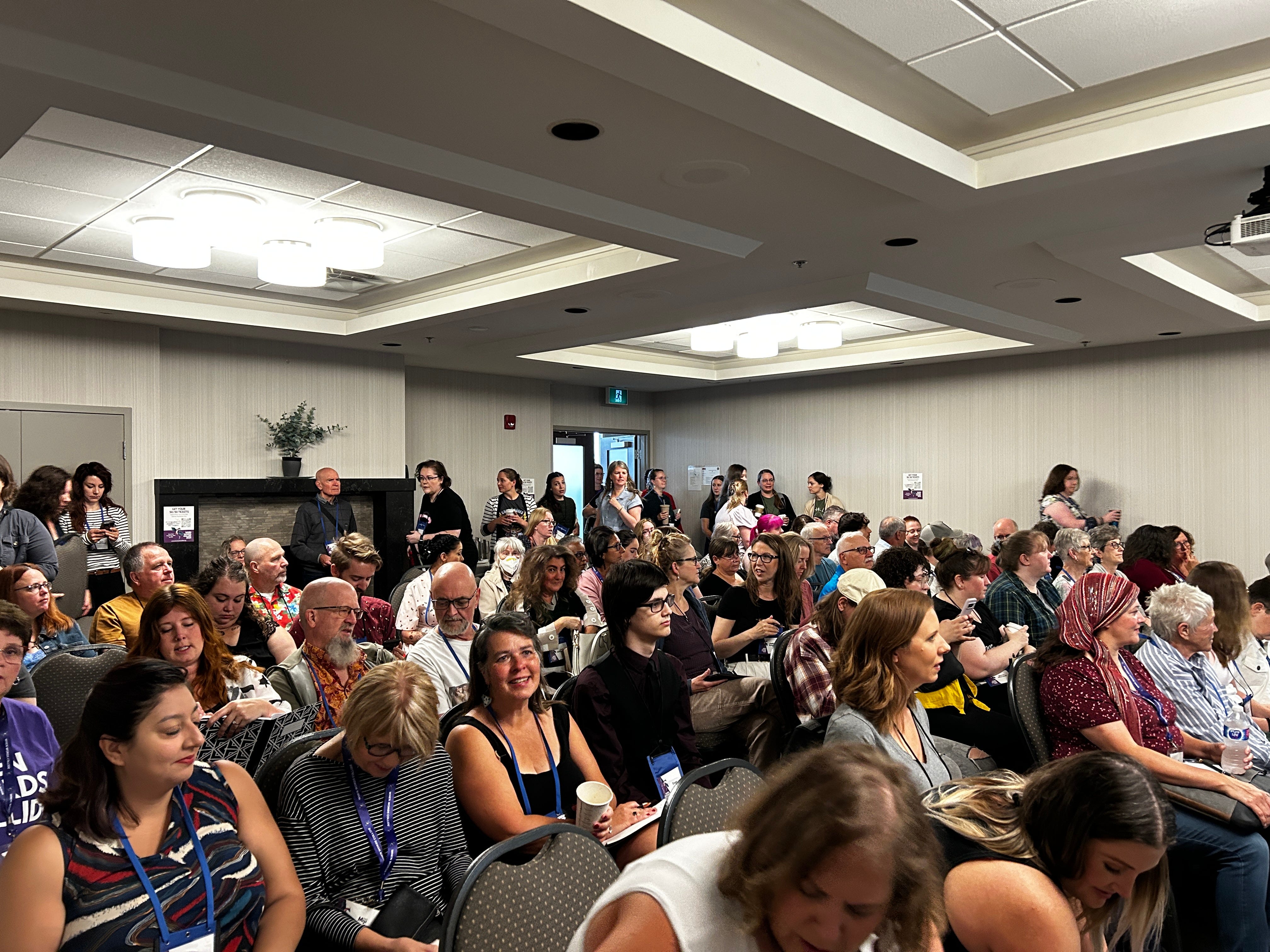
Her afternoon session about amplifying a character’s emotional responses was bursting out of the room.


In the session about internal conflict, my hand was flying across my notebook pages, trying to keep up. Internal conflict is vital for a story. How a character handles their personal struggles will show they are changing or growing, or not. Internal conflict gives readers a private viewing into characters, showing how they are human, authentic and relatable. Internal conflict gives a story depth, adds tension, and reveals a character’s motivations.
In a power-packed hour, Angela explained the common types of internal conflict your character might be dealing with.
Emotional: how do I feel, how should I feel
Moral: what’s the right thing to do
Identity: who am I and how do I live my truth
Individualism vs Conformity: do I stay true to myself or try to fit in
Self-worth: what is my value
Relationship: how do I navigate the complexity of this relationship
Conflicting Loyalty: where do my biggest loyalties lie
Duty vs Desire: do I choose myself or my responsibility
Stability vs Change: do I choose what is known or embrace change
It’s a lot, but it also perfectly mirrors the concerns of real life. I walked away eager to get back to my current work in progress so I could self-check the internal conflict I had woven (or didn’t) into my character.
As I reviewed my notes, I had more questions, and because Angela is a friend and extremely generous with her time, I asked her to answer them.
Can a character have more than one internal conflict?
Yes! Actually, characters should have multiple personal struggles to work through in a story. Just as it is for us in the real world, a character’s inner life should be full of layers. They will have competing wants and needs, responsibilities and duties, fears and goals. Often, they won’t know what to do, what to sacrifice, and how to move past things that are holding them back. This will take time to unravel and require some soul searching to figure out how to make decisions that align with their beliefs, identity, and priorities. Inner conflict is never simple or easy to resolve.
Can your side characters have internal conflict that readers need to know about?
I think every character should have their own inner reality, which means their own goals, fears, needs, and struggles. But it really depends on how important the side character is as to whether readers need to know their inner conflicts. We don’t want to pull attention away from the main story if they are a walk-on character. However, even hinting at an internal struggle adds legitimacy to a character’s behavior. So, look at the character’s role and importance, and consider how their inner struggles might impact other characters in the story (if they do).
What is the downside of limiting internal conflict?
Characters who have very few internal struggles will not have to do much to grow and change. This won’t feel realistic to readers who expect characters to have real doubts, fears, and personal problems. It shouldn’t be easy to face shortcomings, let go of the past, mute fears, and make necessary changes to grow into the person they must become to win.
How can you identify the lack in your own manuscript?
I think if characters always seem to know what to do, make good decisions, and they don’t make mistakes or missteps, it indicates a lack of internal conflict. So, look for characters who are too perfect!
Essentially, you have to mess up your character, internally and externally. A perfect character is a boring character. Make their minds messy, their choices tough, and stress them out any way you can. That what makes for good reading.
If you are looking to improve your craft, I cannot recommend these books enough. You can find them all wherever books are sold, but I’d suggest visiting Writers Helping Writers to browse the extensive resources Angela and Becca offer.
I’m also offering up my first edition of The Emotion Thesaurus as a giveaway this week. Simply share this post, tag a friend, tag me, and you’ll be entered in the draw.